Door-to-Door Sales
Inexperienced reps and high-pressure sales tactics can push homeowners to make a decision before fully understanding the system, price, or contract.
California Residential Solar Advisor Mark
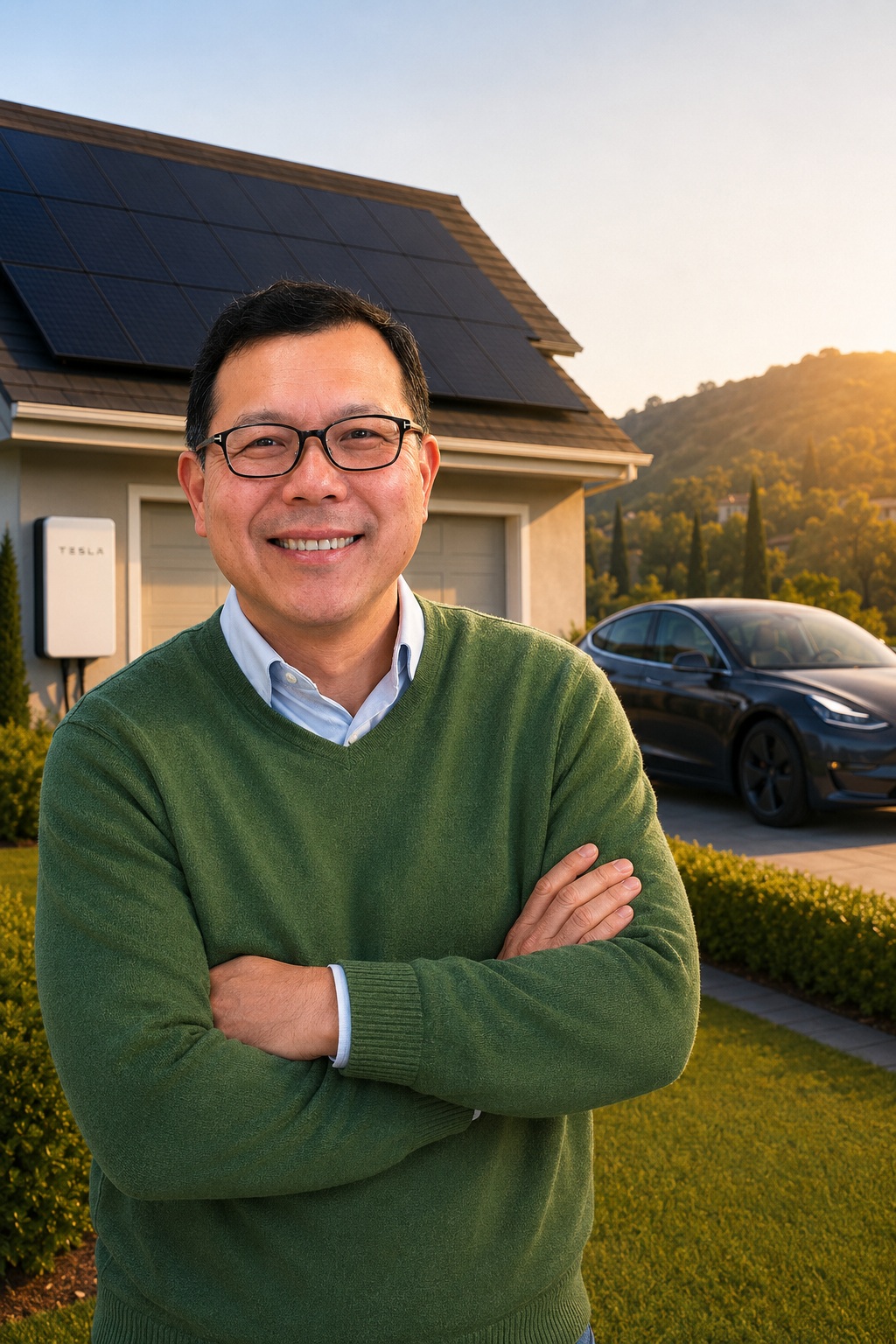
With years of hands-on residential solar experience, Mark helps California homeowners see beyond the sales pitch—comparing system design, equipment, financing, and long-term costs to make a better-informed decision.
 mark-hero.jpg
The problem often isn't solar itself — it's making a decision before you know exactly what you're getting.
Inexperienced reps and high-pressure sales tactics can push homeowners to make a decision before fully understanding the system, price, or contract.
“Free solar” and “low monthly payments” sound great, but the real cost depends on the details of the offer.
A great system for someone else may not be the right one for your home, energy use, or budget.
Every home is different. Mark looks at your energy use, roof, future needs, battery options, pricing, and budget to help you put the right system together.

“No pressure. Just the information you need to make the right decision.”

With years of hands-on experience in residential solar and construction, Mark understands solar, battery storage, utility rates, home energy use, and financing options. His building experience also gives him valuable insight into construction requirements, including solar requirements for new ADUs.
More importantly, Mark knows that a good solar system isn't just about panels—it's about bringing together smart system design, your household's needs, and long-term costs.
Mark makes complex solar topics easy to understand, so homeowners can clearly compare their options and choose a solution that truly fits their home and budget.
Why this site exists
Over the years, I've seen too many homeowners sign solar contracts without fully understanding what they're getting. Some end up with the wrong system, pay more than they expected, or simply realize too late that the plan wasn't right for their home.
That's why I built this website — to make solar easier to understand, compare, and evaluate before you sign.

San Diego solar planning
For San Diego homeowners, the timing of electricity use matters, not just how much you use. Your SDG&E rate plan, roof, EV charging, pool, and future plans can all shape the system that makes sense for your home. If an ADU is part of your plans, include its future electricity use and confirm the current permit and energy-code requirements before sizing the main home's solar system.
Reference current rules:
SDG&E Solar Billing Plan · SDG&E residential pricing plans · SDG&E super off-peak information · City of San Diego ADU requirements · California ADU energy-code FAQs
SDG&E uses time-of-use pricing, so electricity costs can change throughout the day. Check your current plan and when your home uses the most power before comparing solar and battery options.
Air conditioning, cooking, and family routines can push more electricity use into the evening. Looking at that pattern can help you decide whether a battery is worth considering.
EV charging, pool pumps, and other future equipment can add a lot of electricity use. Include them early so the system is not based only on today's bills.
Roof space, direction, shade, and the home's electrical setup can affect how much solar will fit. The design should work with both your energy needs and the space available.
Projects
Every home is different. Each solar plan is designed around the home's energy use, roof, budget, and future needs.
Contact Mark
Every home is different. Tell Mark what you're considering, ask your questions, and get straightforward answers before you make a decision.
California service coverage
Serving homeowners across California, including SCE, PG&E, and SDG&E territories, with solar and ADU solutions.
Los Angeles, Riverside, San Bernardino, Temecula, Murrieta, Corona, Ontario, Pasadena, Irvine, and surrounding areas
Fresno, Bakersfield, Visalia, Merced, Modesto, Stockton, and surrounding areas
San Francisco, San Jose, Oakland, Berkeley, Walnut Creek, Sacramento, Santa Rosa, Napa, and surrounding areas
San Diego solar FAQ
They make the timing of grid imports and solar exports important. Mark reviews the household’s current plan and usage pattern before comparing solar-only and solar-plus-battery options.
No. It can be useful for backup or shifting energy use, but it should be evaluated against evening demand, the current tariff, and budget.
Use actual charging and pump schedules where possible, then add realistic future energy needs instead of using a broad allowance.
Yes. Mark can compare system size, production assumptions, battery capacity, equipment, price, and contract terms before a homeowner signs.