Door-to-Door Sales
Inexperienced reps and high-pressure sales tactics can push homeowners to make a decision before fully understanding the system, price, or contract.
California Residential Solar Advisor Mark
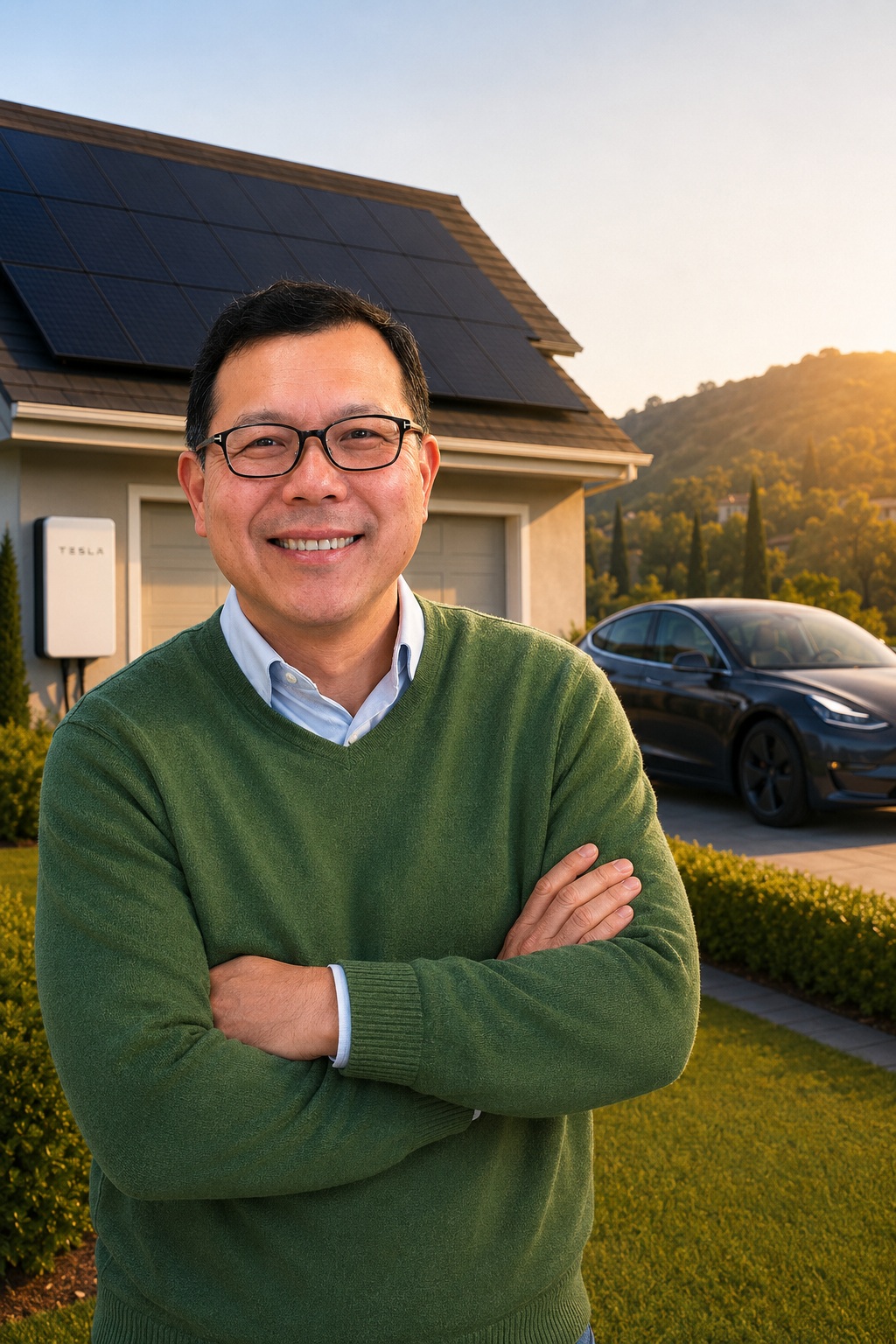
With years of hands-on residential solar experience, Mark helps California homeowners see beyond the sales pitch—comparing system design, equipment, financing, and long-term costs to make a better-informed decision.
 mark-hero.jpg
The problem often isn't solar itself — it's making a decision before you know exactly what you're getting.
Inexperienced reps and high-pressure sales tactics can push homeowners to make a decision before fully understanding the system, price, or contract.
“Free solar” and “low monthly payments” sound great, but the real cost depends on the details of the offer.
A great system for someone else may not be the right one for your home, energy use, or budget.
Every home is different. Mark looks at your energy use, roof, future needs, battery options, pricing, and budget to help you put the right system together.

“No pressure. Just the information you need to make the right decision.”

With years of hands-on experience in residential solar and construction, Mark understands solar, battery storage, utility rates, home energy use, and financing options. His building experience also gives him valuable insight into construction requirements, including solar requirements for new ADUs.
More importantly, Mark knows that a good solar system isn't just about panels—it's about bringing together smart system design, your household's needs, and long-term costs.
Mark makes complex solar topics easy to understand, so homeowners can clearly compare their options and choose a solution that truly fits their home and budget.
Why this site exists
Over the years, I've seen too many homeowners sign solar contracts without fully understanding what they're getting. Some end up with the wrong system, pay more than they expected, or simply realize too late that the plan wasn't right for their home.
That's why I built this website — to make solar easier to understand, compare, and evaluate before you sign.

Bay Area solar planning
In the Bay Area, your PG&E rate plan, EV charging, future electric upgrades, and available roof space can all affect the right solar setup. Start with how your home uses power and what the roof can realistically support. ADU rules vary by city across the Bay Area. If you may add one, check the local permit path and include its future electricity use before deciding whether the main home's solar system needs to be expanded.
Reference current rules:
PG&E time-of-use rate plans · PG&E solar and renewable energy · California HCD ADU guidance · California ADU energy-code FAQs
PG&E time-of-use plans charge different prices depending on when you use electricity. Review your current plan and daily usage before comparing solar and battery options.
An EV, heat pump, or electric water heater can increase both total use and evening demand. Include planned upgrades before choosing system size.
Smaller roof sections, shade, orientation, and required clearances can limit panel placement. The design should reflect the actual roof, not a general production estimate.
Battery size depends on what you want to keep running and for how long. Define your backup needs before comparing battery options.
Projects
Every home is different. Each solar plan is designed around the home's energy use, roof, budget, and future needs.
Contact Mark
Every home is different. Tell Mark what you're considering, ask your questions, and get straightforward answers before you make a decision.
California service coverage
Serving homeowners across California, including SCE, PG&E, and SDG&E territories, with solar and ADU solutions.
Los Angeles, Riverside, San Bernardino, Temecula, Murrieta, Corona, Ontario, Pasadena, Irvine, and surrounding areas
Fresno, Bakersfield, Visalia, Merced, Modesto, Stockton, and surrounding areas
San Francisco, San Jose, Oakland, Berkeley, Walnut Creek, Sacramento, Santa Rosa, Napa, and surrounding areas
Bay Area solar FAQ
Many are, but municipal utilities and different generation arrangements also exist. Confirm the provider and rate plan on the property’s bill.
It changes the value of electricity by time of day. A useful comparison looks at hourly usage, expected solar production, and how a battery would actually operate.
Yes. Annual miles, vehicle efficiency, charging location, and charging time should be included in the load forecast.
Not automatically. Shade, usable area, orientation, and equipment layout need to be modeled before deciding whether a practical design is available.